
Wellness · October 12, 2026
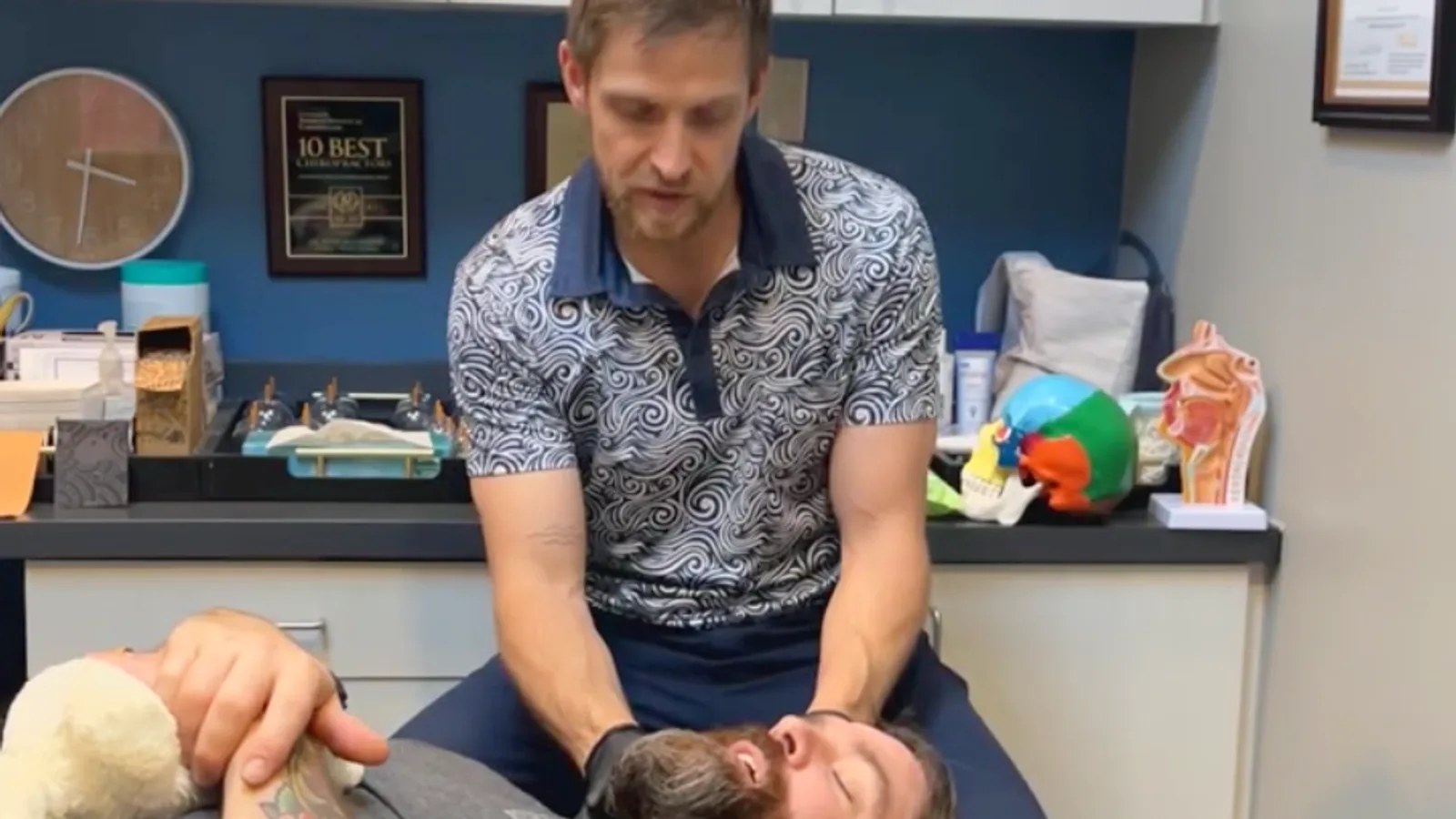
If you've been dealing with chronic back pain, a herniated disc, or radiating leg pain that just won't quit, there's a good chance you've come across the term "spinal decompression." Maybe your doctor mentioned it, maybe you searched for non-surgical back pain relief online, or maybe a friend told you it changed their life. Whatever brought you here, you probably have one very important question on your mind: Is spinal decompression painful? That's a completely fair thing to wonder, especially if you've been hurting for a while and the last thing you want is a treatment that makes things worse. The good news is that most patients are genuinely surprised by how comfortable the experience is — and by how much relief they feel over time.
What Is Spinal Decompression?
Spinal decompression is a non-invasive, non-surgical therapy that gently stretches the spine to relieve pressure on compressed discs and nerves. It works by creating a negative pressure within the disc space, which can help retract herniated or bulging disc material and promote the flow of nutrients back into the disc. It is commonly used to treat conditions like herniated discs, degenerative disc disease, sciatica, and chronic lower back pain.
What Does Spinal Decompression Feel Like?
This is the question nearly every new patient asks, and the honest answer is: it usually feels like a gentle, rhythmic stretch. During a spinal decompression session, you lie on a specially designed motorized table. A harness is fitted around your pelvis or torso depending on whether the treatment is targeting the lower or upper spine. The table then gradually and carefully distracts — meaning it gently pulls — the spine in a controlled, programmed pattern.
Most patients describe the sensation as comfortable, almost like a slow, relaxing stretch. Some even fall asleep during sessions. The table cycles through phases of gentle tension and relaxation, which means your body isn't held in one static position the entire time. This cyclical motion is intentional — it's designed to prevent muscle guarding and allow the spine to respond to the treatment without tensing up.
That said, it's important to be honest: a small number of patients may experience mild muscle soreness after their first few sessions, particularly if the muscles around the spine have been tight or guarded for a long time. This kind of soreness is temporary and typically resolves quickly. It's a far cry from the sharp, shooting pain that brought most people into the office in the first place. Dr. Kevin Mclaughlin and the team at Complete Chiropractic Sports And Wellness in Durham, NC take great care to adjust the tension and positioning for each patient individually, so your comfort is always the priority.
Who Benefits Most from Spinal Decompression?
Here in Durham, NC, many patients come into Complete Chiropractic Sports And Wellness after months — sometimes years — of dealing with back and neck pain that hasn't responded well to other treatments. Spinal decompression tends to be particularly well-suited for people who have specific structural causes for their pain, rather than general muscle tension alone.
Patients who often see meaningful improvement include those with herniated or bulging discs, degenerative disc disease, spinal stenosis (narrowing of the spinal canal), facet joint syndrome, and sciatica or radiculopathy — that radiating, shooting pain that travels down the leg or arm. These conditions share a common thread: pressure. Whether it's pressure on a nerve root, pressure within a disc, or compression caused by narrowed spaces in the spine, decompression therapy directly addresses the mechanical source of that pressure.
Athletes, office workers who sit for long hours, aging adults, and even younger people who've experienced acute disc injuries can all be good candidates. Of course, not every patient is appropriate for spinal decompression. A thorough evaluation with Dr. Kevin Mclaughlin will help determine whether this therapy is a good fit for your specific situation, your health history, and your treatment goals.
Common Conditions Treated with Spinal Decompression
Understanding why spinal decompression works requires a quick look at the anatomy involved. Your spinal discs are like shock absorbers between the vertebrae. They're filled with a gel-like material that allows your spine to move, flex, and absorb impact. When a disc is compressed — through injury, poor posture, repetitive stress, or simply the wear and tear of daily life — it can bulge or herniate, pushing into nearby nerve tissue and causing pain.
Degenerative disc disease occurs when discs lose their height and hydration over time. This reduces the space between vertebrae and can cause similar nerve compression. Spinal stenosis involves a narrowing of the canal through which the spinal cord travels, and this too creates pressure on sensitive neural structures. Sciatica, which many Durham residents are all too familiar with, is caused by irritation of the sciatic nerve — often due to disc herniation or piriformis involvement — and can cause pain, numbness, or tingling from the lower back all the way down to the foot.
What these conditions have in common is that they respond to mechanical changes in spinal loading. By gently unloading the spine through decompression, treatment creates an environment where the disc can potentially rehydrate, where herniated material may retract, and where nerve root pressure can decrease. Evidence suggests that non-surgical spinal decompression can be an effective component of conservative care for these types of conditions, particularly when combined with chiropractic adjustments and rehabilitative exercises.
How Chiropractic Care Fits Into Spinal Decompression
Spinal decompression doesn't exist in a vacuum. At Complete Chiropractic Sports And Wellness in Durham, NC, Dr. Kevin Mclaughlin takes an integrative approach to care, meaning that spinal decompression is typically part of a broader treatment plan rather than a standalone procedure. This is important because the spine is a complex, interconnected system. Addressing disc pressure alone without also improving joint mobility, muscle balance, and movement patterns often leads to incomplete results.
Chiropractic adjustments are commonly used alongside decompression therapy. Adjustments help restore proper joint mechanics in the vertebrae, improve spinal mobility, and reduce inflammation around affected joints. When a vertebra is misaligned or a joint isn't moving properly, it places uneven stress on surrounding discs and soft tissue — and that uneven stress can perpetuate pain even after decompression begins to help the disc itself.
Therapeutic exercises and soft tissue work may also be incorporated depending on your condition. Strengthening the core muscles that support the spine helps prevent re-injury and supports the long-term benefits of decompression. This kind of comprehensive, conservative care is at the heart of what the team at Complete Chiropractic Sports And Wellness offers the Durham community — real solutions without surgery, without drugs, and without guesswork.
Practical Tips to Get the Most Out of Your Treatment
If you're preparing to begin spinal decompression therapy — or if you're already in the middle of a treatment plan — there are several things you can do to support your recovery and improve your outcomes. These recommendations are simple, practical, and aligned with what Dr. Kevin Mclaughlin typically shares with patients at Complete Chiropractic Sports And Wellness.
Stay hydrated. Your spinal discs are largely made of water, and proper hydration supports disc health and the rehydration process that decompression is designed to encourage. Drink plenty of water throughout the day, especially during the weeks you're undergoing active treatment.
Be consistent with your appointments. Spinal decompression is a cumulative therapy. The benefits build over time and across multiple sessions. Missing appointments or stopping treatment prematurely is one of the most common reasons patients don't reach their full potential improvement. Most treatment plans span several weeks, so commitment matters.
Avoid positions and activities that aggravate your symptoms between sessions. This might mean taking breaks from prolonged sitting, avoiding heavy lifting during the early stages of care, and paying attention to your sleeping position. Sleeping with a pillow between your knees (for side sleepers) or under your knees (for back sleepers) can reduce spinal stress overnight.
Ask questions. If something feels off, or if you're experiencing unexpected discomfort during or after a session, communicate that clearly. Your care team wants to know. Adjustments to positioning, harness placement, or tension levels can usually be made easily and quickly.
When to See a Chiropractor About Spinal Decompression
If you've been living with back or neck pain for more than a few weeks, or if you're experiencing radiating symptoms like numbness, tingling, or weakness in your arms or legs, it's worth having a professional evaluation sooner rather than later. Chronic compression on a nerve or disc can worsen over time, and waiting doesn't always lead to natural resolution — especially for disc-related conditions.
There are also red flags that suggest you should seek medical care promptly, rather than starting with chiropractic or decompression therapy. These include loss of bowel or bladder control, progressive leg weakness, severe trauma such as a fall or car accident, unexplained weight loss, or pain that is constant and severe at rest. If you experience any of these symptoms, please seek medical evaluation right away. Chiropractic care and spinal decompression are powerful tools for the right conditions, but patient safety always comes first at Complete Chiropractic Sports And Wellness.
For most patients with disc-related or nerve-compression-related pain who don't have those red flag symptoms, a consultation with Dr. Kevin Mclaughlin is an excellent starting point. He will take a thorough history, perform a physical examination, and review any relevant imaging to determine whether spinal decompression is appropriate and what a safe, effective treatment plan might look like for you.
Spinal Decompression vs. Other Conservative Care Options
Treatment Option | Invasiveness | Targets Disc Pressure | Recovery Time | Best For |
|---|---|---|---|---|
Spinal Decompression | Non-invasive | Yes — directly | Minimal to none | Herniated discs, sciatica, degenerative disc disease |
Chiropractic Adjustment | Non-invasive | Indirectly | Minimal | Joint dysfunction, spinal misalignment, muscle tension |
Physical Therapy | Non-invasive | Indirectly | Minimal | Muscle weakness, rehabilitation, movement retraining |
Pain Medication | Non-invasive (systemic) | No | None required | Short-term symptom management only |
Spinal Injection | Minimally invasive | Partially | Short (1-2 days) | Acute inflammation, temporary nerve relief |
Spinal Surgery | Highly invasive | Yes — structurally | Weeks to months | Severe structural failure, failed conservative care |
Myths vs. Facts About Spinal Decompression
Myth: Spinal decompression is painful and aggressive.
Fact: The vast majority of patients find spinal decompression to be comfortable and even relaxing. The treatment uses slow, gentle, computer-controlled traction that the body tolerates well. While minor muscle soreness can occasionally occur after early sessions, the experience is far from painful for most people.
Myth: Spinal decompression is the same as regular traction.
Fact: Traditional traction applies a static or simple mechanical pull, while modern spinal decompression uses a sophisticated, computer-controlled table that cycles through precise patterns of tension and relaxation. This cycling motion is specifically designed to prevent the muscle guarding response that reduces the effectiveness of older traction methods.
Myth: You'll need surgery if decompression doesn't work.
Fact: Spinal decompression is just one part of a conservative care toolbox. If it doesn't fully resolve your symptoms, there are other non-invasive options to explore — including chiropractic adjustments, rehabilitative exercise, soft tissue therapy, and more. Surgery is generally considered only after conservative care options have been thoroughly explored.
Myth: Spinal decompression is only for elderly patients.
Fact: Disc problems and nerve compression can happen at any age. Athletes, younger adults with acute disc injuries, and middle-aged professionals with desk-job posture issues are all common candidates for spinal decompression. Dr. Kevin Mclaughlin evaluates each patient individually regardless of age.
Myth: Results from spinal decompression don't last.
Fact: Research suggests that when patients complete a full course of treatment and follow through with supportive care — such as exercise, proper posture habits, and periodic maintenance — the results of spinal decompression can be durable and long-lasting. Compliance with aftercare recommendations plays a significant role in how well results hold over time.
Final Thoughts from Complete Chiropractic Sports And Wellness
Living with back pain, disc problems, or radiating nerve symptoms is exhausting. It affects your sleep, your work, your family life, and your overall sense of well-being. If you've been wondering whether spinal decompression could be right for you, we hope this article has helped answer some of your questions and put your mind at ease about what the experience actually involves.
Here at Complete Chiropractic Sports And Wellness in Durham, NC, we believe that patients deserve real information, not just reassurances. Dr. Kevin Mclaughlin is committed to working with each person as an individual — taking the time to understand your history, explain your options clearly, and create a treatment plan that genuinely fits your needs and your life. Our goal is never to push a treatment for its own sake, but to help you feel better, move better, and stay better for the long haul.
If you're in the Durham area and you're curious about whether spinal decompression or chiropractic care might help your specific situation, we'd love the opportunity to connect with you. A thorough consultation is always the best first step — and there's no pressure, no guesswork, just good, honest care from people who genuinely want to help.
Frequently Asked Questions
How many spinal decompression sessions will I need?
The number of sessions varies depending on the condition being treated and how your body responds. Many treatment plans range from 12 to 20 sessions over several weeks. Dr. Kevin Mclaughlin will outline a recommended plan after your initial evaluation.
Is spinal decompression covered by insurance?
Coverage varies widely depending on your insurance provider and plan. It's best to contact your insurance company directly or speak with the front desk team at Complete Chiropractic Sports And Wellness to understand your specific benefits.
Can I go back to work after a spinal decompression session?
Most patients return to their normal daily activities immediately after a session. There is generally no required downtime. However, if your job involves heavy lifting or prolonged sitting, your chiropractor may offer specific guidance for your situation.
What if I feel sore after my first few sessions?
Mild muscle soreness after the first session or two is not unusual, particularly if the muscles around your spine have been tense or guarded for a long time. This typically resolves within a day or two. If you experience significant or sharp pain, let your care team know right away so adjustments can be made.
Is spinal decompression safe for people who've had prior back surgery?
This depends on the type of surgery and your current condition. Some post-surgical patients are good candidates for decompression, while others may not be. A thorough review of your surgical history and imaging is essential before moving forward, and Dr. Kevin Mclaughlin will evaluate this carefully.
How is spinal decompression different from what a chiropractor does with manual adjustments?
Chiropractic adjustments focus on restoring proper joint movement and alignment in the vertebrae. Spinal decompression focuses specifically on reducing intradiscal pressure and relieving nerve compression. The two therapies are complementary and are often used together for a more complete approach to disc-related conditions.
TL;DR Summary
Spinal decompression is a non-invasive therapy that gently stretches the spine to relieve disc and nerve pressure — and most patients find it comfortable, not painful.
It is most effective for herniated discs, degenerative disc disease, sciatica, and spinal stenosis, and works best as part of a comprehensive care plan.
Mild muscle soreness after early sessions is possible but temporary; sharp or severe pain during treatment is not normal and should be reported immediately.
At Complete Chiropractic Sports And Wellness in Durham, NC, Dr. Kevin Mclaughlin combines spinal decompression with chiropractic care and rehabilitation for individualized, whole-person treatment.
If you're experiencing chronic back pain, disc issues, or radiating nerve symptoms and you live in the Durham area, a professional evaluation is a great first step toward real relief.